
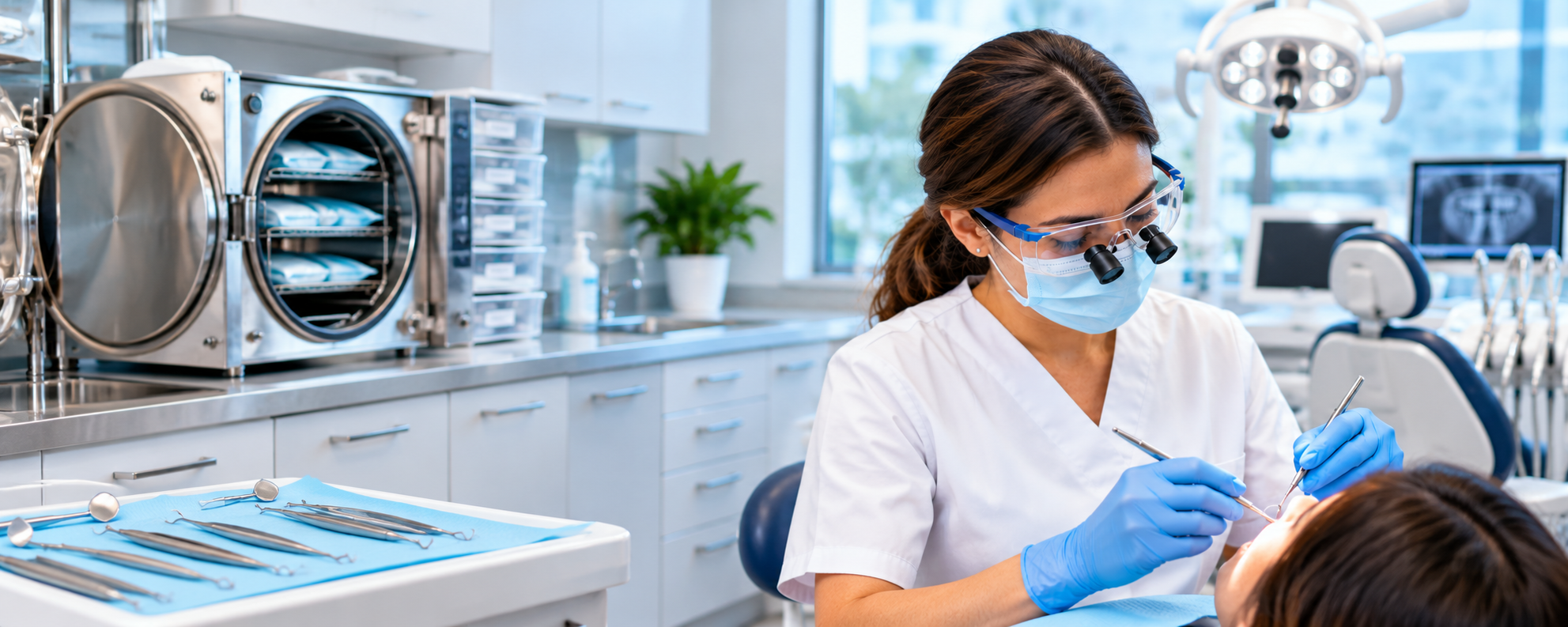
What California dental offices should know about a potential Board review
A contact or visit from the Dental Board of California can be stressful. A Board inquiry may follow a complaint or information suggesting a possible violation of the Dental Practice Act or applicable regulations. Concerns may involve infection control, unsanitary conditions, or professional conduct. Not every complaint results in an onsite inspection, and the reason and scope of a review depend on the circumstances.

Why Might the Dental Board Visit a Dental Office?
The Dental Board of California may investigate complaints or information suggesting a violation of the Dental Practice Act or applicable regulations. Concerns may include infection control practices, unsanitary conditions, professional negligence, or other issues within the Board’s authority.
Not every complaint results in an onsite visit. However, maintaining organized documentation, following proper infection control procedures, and ensuring staff understand their responsibilities can help your practice prepare for a potential review.
What Should You Do If a Board Representative Contacts or Visits Your Practice?
Remain courteous and professional. Ask to see identification and clarify the purpose and scope of the visit. Notify the appropriate person in the practice, keep factual notes about what is requested and provided, and respond truthfully. Do not guess, alter, backdate, or destroy records. If you receive a formal investigative notice or are unsure of your legal obligations, consider consulting qualified legal counsel.
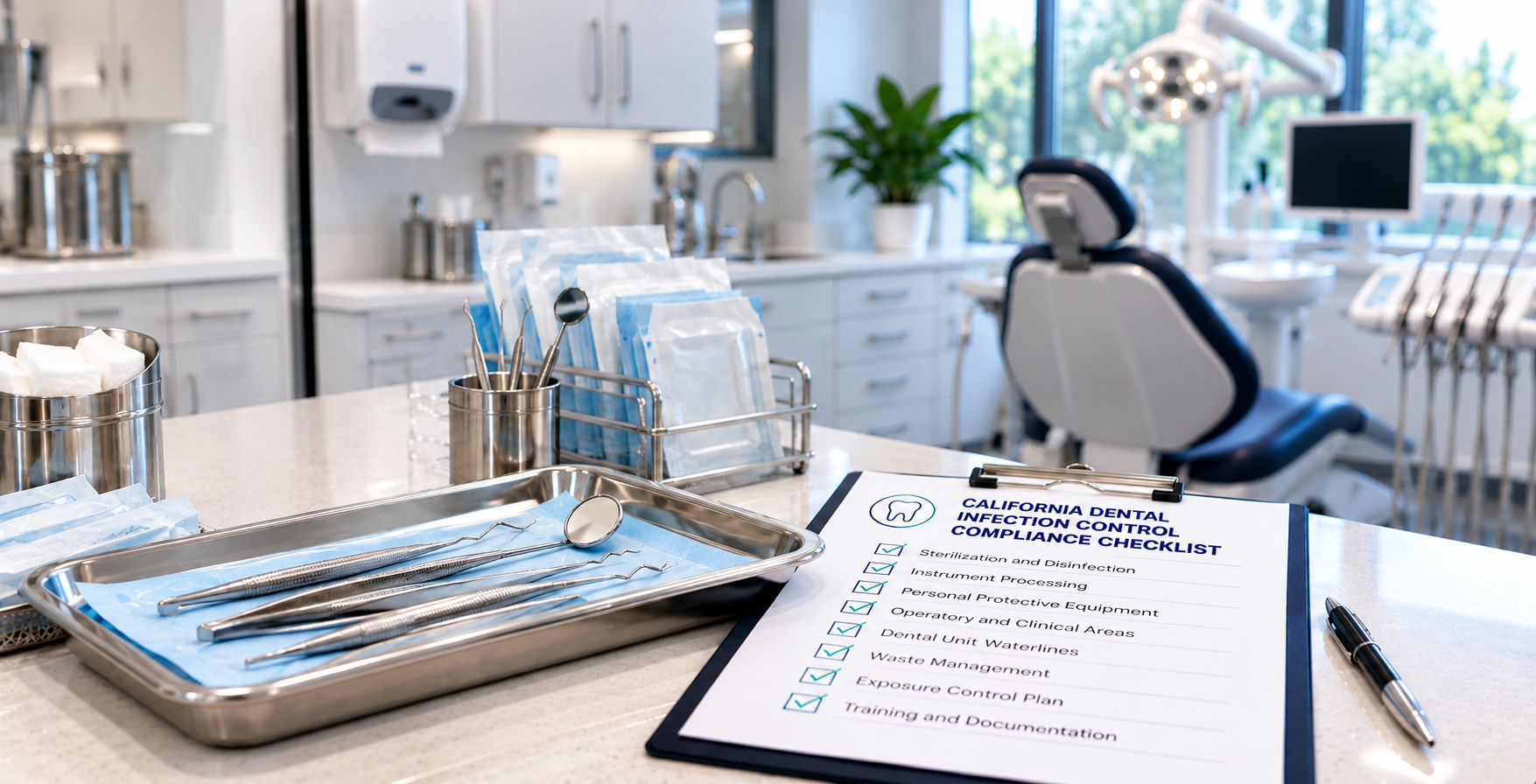
California Dental Infection Control Compliance Checklist
The questions below are based on selected compliance areas in California Code of Regulations, Title 16, Section 1005, Minimum Standards for Infection Control. These are SOME of the points that may be reviewed, not every requirement and not an official Dental Board inspection form.
1. Standard Precautions and Written Protocols
☐ Are standard precautions followed for every patient, regardless of known or suspected infection status?
☐ Does the office maintain written protocols for instrument processing, operatory cleanliness, and injury management?
☐ Are those written protocols periodically updated and available to all dental healthcare personnel?
☐ Is a copy of the infection control regulation conspicuously posted in the dental office?
2. Personal Protective Equipment (PPE)
☐ When aerosol spray, splashing, or spattering may occur, do staff wear surgical masks with protective eyewear or chin-length face shields?
☐ Is appropriate protective attire worn when clothing or skin may be exposed to blood, other potentially infectious materials, chemicals, or germicides?
☐ Are gowns and other PPE changed, removed, cleaned, disinfected, or discarded as required by the task and contamination?
☐ Are puncture-resistant utility gloves and appropriate PPE used when handling hazardous chemicals or cleaning contaminated sharp instruments?
3. Hand Hygiene and Gloves
☐ Is hand hygiene performed before putting on gloves and after removing them?
☐ Are visibly soiled or contaminated hands washed with soap and water, and thoroughly dried before gloves are put on?
☐ Are personnel with exudative hand lesions or weeping dermatitis kept from direct patient care and handling patient-care equipment until the condition resolves?
☐ Are medical examination gloves worn when contact with mucous membranes, blood, other potentially infectious materials, or applicable chemicals may occur?
☐ Are heavy-duty utility gloves used when cleaning sharp instruments, needles, and devices?
☐ Are gloves discarded when torn or punctured, after treatment, and before leaving patient-care or laboratory areas? Are gloves never washed for reuse?
4. Needle and Sharps Safety
☐ Are needles recapped only by using the scoop technique or a protective device?
☐ Are needles kept from being bent or broken for disposal?
☐ Are used disposable needles, syringes, scalpel blades, and other sharps placed in appropriate sharps containers as close as possible to the point of use?
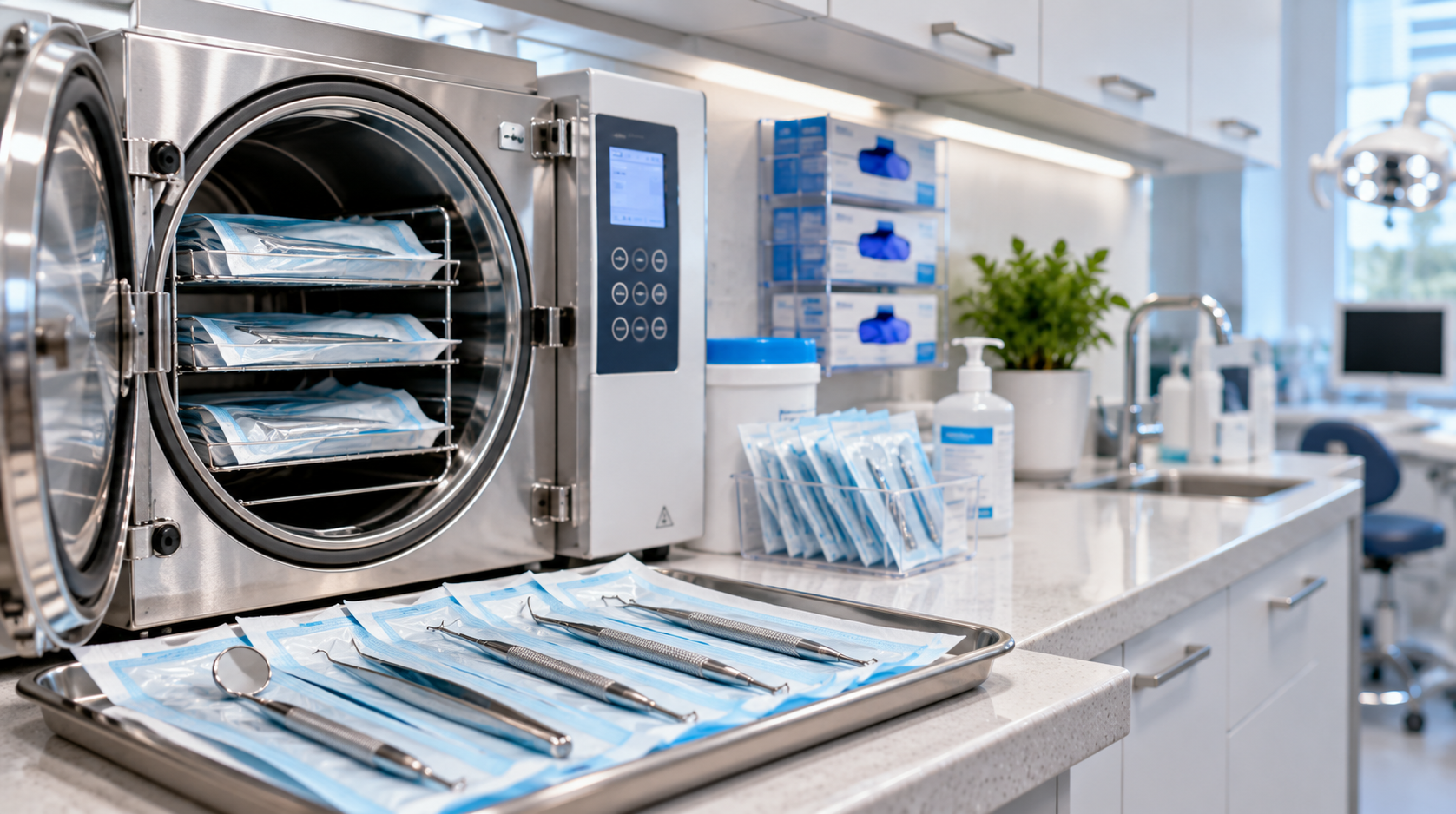
5. Instrument Sterilization and Disinfection
☐ Are critical and semi-critical instruments appropriately cleaned, packaged or wrapped, and sterilized after each use, as applicable?
☐ Are heat-sensitive items processed according to the applicable requirements and manufacturer instructions?
☐ Are sterilized packages sealed, stored, and handled in a way that prevents contamination?
☐ Are noncritical items and clinical contact surfaces cleaned and disinfected with an appropriate EPA-registered hospital disinfectant?
☐ When a surface is visibly contaminated with blood or other potentially infectious material, is the appropriate intermediate-level disinfectant used?
☐ Are reusable handpieces, intraoral rotary components, reusable air/water syringe tips, ultrasonic scaler tips, and other applicable attachments packaged and heat sterilized between patients?
☐ Are single-use items used for one patient only and discarded after use?
☐ Is sterilizer function checked at least weekly using a biological indicator, with results documented and retained for 12 months?
6. Surgical Irrigation and Clinical Surfaces
☐ Are sterile coolants or irrigants used for soft-tissue or bone surgery and delivered through a sterile delivery system?
☐ Are disposable, impervious barriers used on applicable hard-to-clean surfaces and items?
☐ Are barriers changed between patients and whenever they become soiled or damaged?
☐ Are unprotected clinical contact surfaces cleaned and disinfected after each patient with an appropriate registered hospital-grade disinfectant, according to its label?
☐ Are housekeeping surfaces cleaned using detergent and water or an appropriate registered hospital-grade disinfectant?
7. Dental Unit Waterlines
☐ Are dental unit waterlines equipped with anti-retraction devices?
☐ At the beginning of each workday, are waterlines and devices purged with air or flushed with water for at least two minutes before applicable handpieces, scalers, syringe tips, or devices are attached?
☐ Are waterlines and devices flushed between patients for at least 20 seconds?
8. Waste and Laboratory Areas
☐ Is contaminated solid waste disposed of according to applicable local, state, and federal environmental standards?
☐ Are splash shields and equipment guards used on dental laboratory lathes?
☐ Are fresh pumice and a disinfected, sterilized, or new rag-wheel used for each patient?
☐ Are devices used to polish, trim, or adjust contaminated intraoral devices disinfected or sterilized and stored to prevent contamination?
9. Impressions, Bite Registrations, and Appliances
☐ Are intraoral impressions, bite registrations, prosthetic appliances, and orthodontic appliances cleaned and disinfected before laboratory manipulation and before placement in the patient’s mouth?
☐ Are these items thoroughly rinsed before placement in the patient’s mouth?
Keep Your Infection Control Records Organized
Are your infection control procedures, sterilization logs, staff training records, and supporting documentation organized and readily available? Maintaining current, accurate records helps your team follow established procedures and respond more efficiently when documentation is requested during a review.
Assign responsibility for maintaining these records, review them regularly, and make sure staff know where to find the applicable procedures and documentation.
This Checklist Is Only a Starting Point
These questions cover SOME infection control compliance points, not every requirement that may apply to a dental practice. The full current regulation, related Cal/OSHA requirements, and the circumstances of the practice must also be considered. Use this checklist to identify topics for review, not as proof that the practice is fully compliant.
Want Help Reviewing Your Practice?
For best practices and help identifying potential gaps in your office’s compliance program, contact Safety Compliance Experts. SCE supports dental practices with OSHA and HIPAA compliance programs, customized documentation, staff training, office reviews, and ongoing support.
Contact Safety Compliance Experts to discuss support for your dental practice’s OSHA and HIPAA compliance needs.
Website: www.safetycomplianceexperts.com
The Value of Preparing Before a Problem Arises
Reviewing procedures, training, and documentation before an inquiry occurs can help a practice identify gaps and address questions more systematically. Assign responsibility for maintaining infection control procedures and records, and revisit them regularly as requirements and practice operations change.
About Safety Compliance Experts
Safety Compliance Experts provides OSHA and HIPAA compliance support for dental, medical, and veterinary practices. Services include customized compliance documentation, staff training, office reviews, and ongoing support. Program details and services are subject to the applicable service agreement.
Important Disclaimer
This article is for general educational purposes only. It is not legal advice, does not constitute an official Dental Board of California checklist, and does not cover every requirement that may apply to a dental practice. Requirements may change, and applicability depends on the circumstances. Confirm the current effective regulation and consult qualified legal counsel or the appropriate regulatory agency when needed.
Sources and Further Reading
Dental Board of California: Laws and Regulations
https://www.dbc.ca.gov/about_us/lawsregs/
California Code of Regulations, Title 16, Section 1005: Minimum Standards for Infection Control. Review the current effective text before publication.